Natural Wines, Organic Wines, Vegan Wines: Are We Losing the True Meaning of Wine?
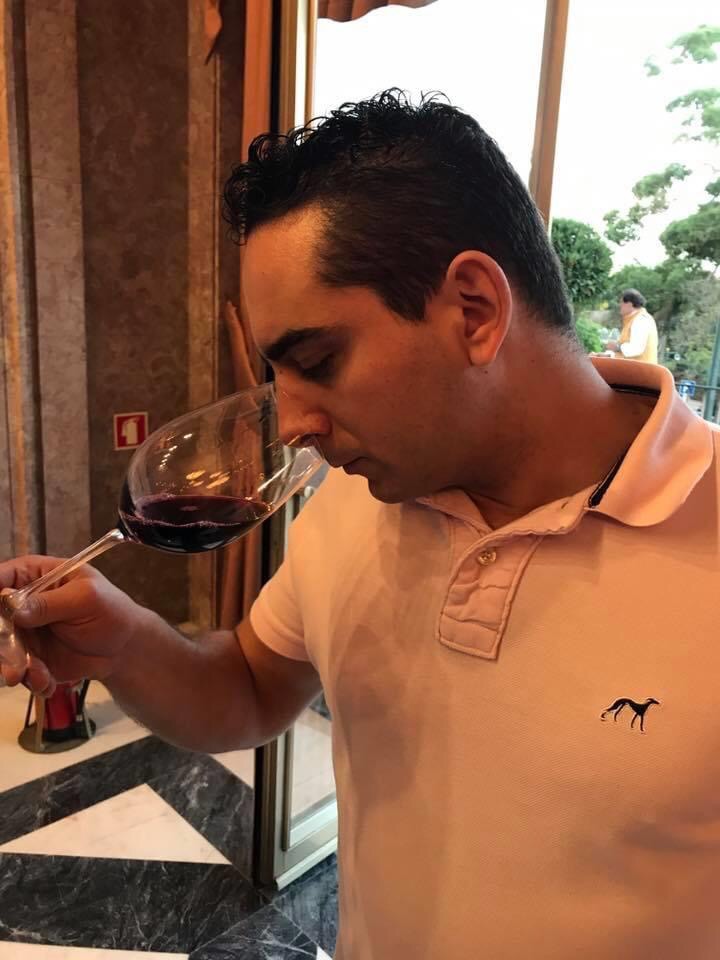
The modern wine world has become obsessed with labels and concepts. “Natural wine,” “organic wine,” “biodynamic,” “vegan,” “low intervention,” and even “alcohol-free wine” are now everywhere. Producers, influencers, sommeliers, and social media personalities constantly promote these categories as if they automatically represent higher quality, authenticity, or even moral superiority.
But before discussing whether these wines are better or worse, we first need to understand what these classifications actually mean.
A natural wine, in its strictest interpretation, is produced with minimal intervention both in the vineyard and in the cellar. This usually means avoiding synthetic phytopharmaceutical products, herbicides, pesticides, industrial yeasts, heavy filtration, and excessive sulfur additions. Fermentations are often spontaneous, relying on the native yeasts naturally present on the grapes and in the winery environment.

The philosophy behind natural wine is understandable. The goal is to produce a wine closer to what existed centuries ago — a wine that expresses the vineyard, the vintage, and the raw personality of the grapes with as little manipulation as possible.
However, the reality is far more complex than the romantic image often presented to consumers.
Viticulture is deeply dependent on climate conditions. Rain, humidity, fungal diseases, hail, heat waves, drought stress, and sudden temperature changes can destroy vineyards or severely compromise grape quality. Modern phytopharmaceutical products were not invented simply to industrialize wine production; many exist because they allow producers to protect vines during extremely difficult vintages.
Without preventive treatments, vineyards become highly vulnerable to diseases such as Botrytis cinerea — grey rot — which can dramatically alter grape composition. Infected grapes often show increased glucose levels, lower fructose concentration, unstable acidity, and microbiological problems that directly affect fermentation and wine stability.
The problem becomes even more serious during vinification.
When sulfur dioxide is not used properly to sanitize the must, fermentation becomes far more unpredictable. Native yeast populations compete in what can sometimes resemble microbiological chaos. This may create unique wines in certain vintages, but it also increases volatility and inconsistency. The same producer can release completely different wines from one year to another — not because of terroir expression alone, but because fermentation control becomes extremely limited.
In difficult years, the lack of intervention can compromise both quality and production volume. And with climate change creating increasingly unstable vintages, this vulnerability becomes even more significant.
This is why many natural wines often display a very short drinking window. Some show interesting youthful energy for a brief period, but many lack the structural stability needed for long aging. Others unfortunately never reach a truly balanced stage at all.
As someone who values cellar aging and the evolution of wine over time, I personally struggle with this philosophy when taken to extremes. Great wine is not only about youthful fruit or irreverent character. A truly profound wine evolves, matures, and gains complexity over years or even decades. It develops tertiary aromas, texture, harmony, and emotional depth that only time can create.
For this reason, I find myself far more attracted to low-intervention organic wines rather than strictly natural wines.
Organic or biological wines usually allow controlled use of certain vineyard treatments, but under far stricter limits than conventional viticulture. In my opinion, this creates a far healthier balance between authenticity and stability.
However, even certification systems create confusion.
Imagine two producers. One exceeds organic limits by only 2%, while another uses 300% more intervention than organic standards allow. Despite the enormous difference between them, both are classified identically as “non-organic.” This creates an unfair simplification where wines that are actually very close to organic philosophy are grouped together with heavily industrial wines.
The market lacks intermediate classifications capable of explaining nuance.
The same confusion exists with spontaneous fermentations. Many producers today ferment wines exclusively with native yeasts, avoiding commercial cultured strains, while still using sulfur carefully to stabilize the wine and preserve quality. These wines can offer authentic vineyard expression without abandoning technical precision.
Ironically, many of these producers avoid organic certification entirely because consumers often misunderstand the terminology.
The “vegan wine” category offers another interesting example.
Historically, some wineries used animal proteins such as egg whites or casein during fining. Today, however, the majority of modern fining agents are mineral or synthetic. In practical terms, a huge number of wines could already qualify as vegan, even without using the label.
Yet the wine industry increasingly creates new categories, labels, and marketing narratives designed to target every possible consumer segment.
And this is where I believe we are slowly losing the true essence of wine.
Wine was never just another beverage competing on supermarket shelves.
Wine is deeply connected to human civilization, religion, gastronomy, celebration, and memory. It accompanied the development of cultures, families, and traditions for thousands of years. In Christianity, wine became sacred symbolism during the Eucharist. Historically, it represented communion, ritual, and shared identity.

Even outside religion, wine has always held symbolic importance. Major historical events, diplomatic celebrations, weddings, and family gatherings have traditionally been marked with wine.
Unlike many other alcoholic beverages, wine evolves with time. It is a living organism in bottle form — shaped by climate, soil, vintage conditions, viticulture, and human decisions.
But modern wine culture increasingly reduces wine to a collection of commercial labels: vegan, natural, alcohol-free, canned, low-calorie, or trend-driven products designed primarily for market expansion.
Meanwhile, old vineyards disappear. Serious producers struggle financially. Historic viticultural heritage is abandoned because markets prioritize margins, trends, and fast consumer turnover rather than cultural value.
Of course alcohol is toxic when abused. But society often attacks wine while ignoring the enormous amount of ultra-processed foods, soft drinks, additives, and industrial products consumed daily without question. Many consumers spend more time reading the word “natural” on a wine label than understanding what they consume in the rest of their diet.
What concerns me most is the growing disconnect between marketing narratives and real viticultural work.
At wine fairs and tastings, many producers immediately present their wines as “almost natural,” as if this alone guarantees superiority. Personally, when I hear this without deeper explanation, I become cautious. A wine without filtration, stabilization, or proper sulfur management may not possess the longevity, consistency, or balance necessary to age properly.
And yet, the market often rewards image over substance.
Social media encourages quick tastings, instant opinions, and visual impact. But truly understanding wine requires visiting vineyards, studying viticulture, observing cellar practices, and understanding the producer’s philosophy beyond fashionable terminology.
A serious evaluation of wine should focus on vineyard quality, viticultural precision, harvest timing, grape health, fermentation management, and aging decisions — not simply on whether a producer uses a horse, a tractor, or a biodynamic calendar.
Some practices genuinely influence quality. Manual harvesting, for example, often reduces berry crushing and premature fermentation during transport compared to mechanical harvesting. Transport methods, containers, and handling can significantly impact grape integrity before the fruit even reaches the winery.
These are technical realities that genuinely affect wine character.
Unfortunately, the market remains confused, partly because there is still a lack of deep educational work from sommeliers, retailers, and even specialized wine stores. Certifications frequently focus on appellations, grape varieties, and simplified quality systems while failing to communicate the real complexity behind viticulture and vinification.
In the end, I believe consumers should think more carefully before buying into fashionable terminology alone.
“Natural,” “organic,” “vegan,” and “low intervention” are not automatically guarantees of quality. Nor are conventional wines automatically inferior.
What truly matters is understanding the producer’s work, philosophy, vineyard management, technical competence, and long-term vision.
Because wine is not just a product.
Wine is bottled history. Wine is culture. Wine is memory. Wine is time itself captured inside a glass.
20/05/2026


Comments